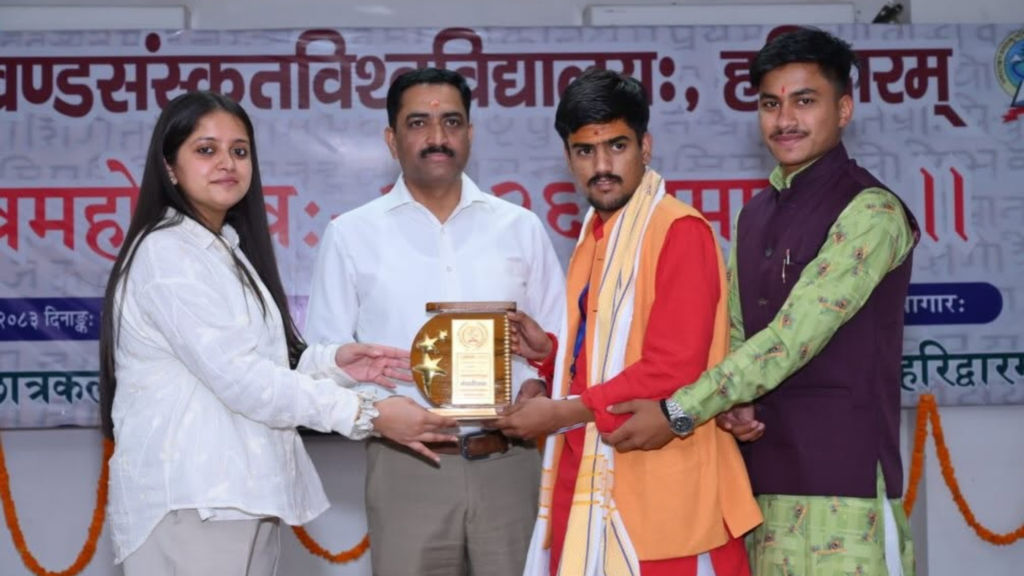
Building a Progressive, Inclusive Haridwar
Empowering Ward 60, One Step at a Time
Empowering Women, Strengthening Society

About Akarshika
People First , Progress Together
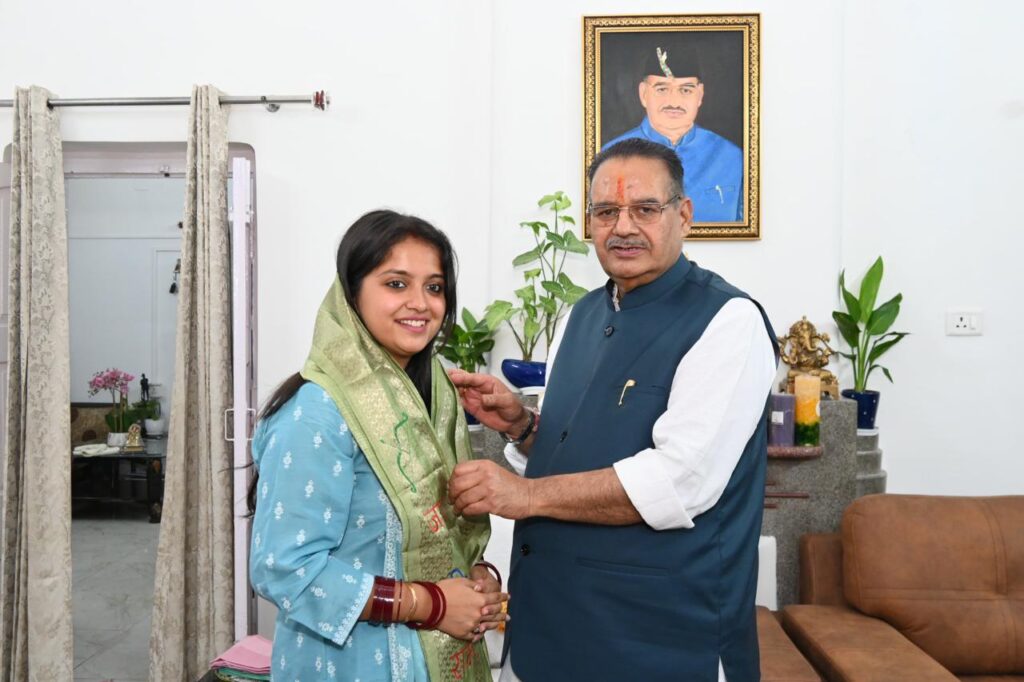
Akarshika Sharma believes that meaningful change is created when citizens, communities and leadership work together. Her commitment is to remain connected with the people, understand grassroots realities and continuously work towards building a stronger and more inclusive community.
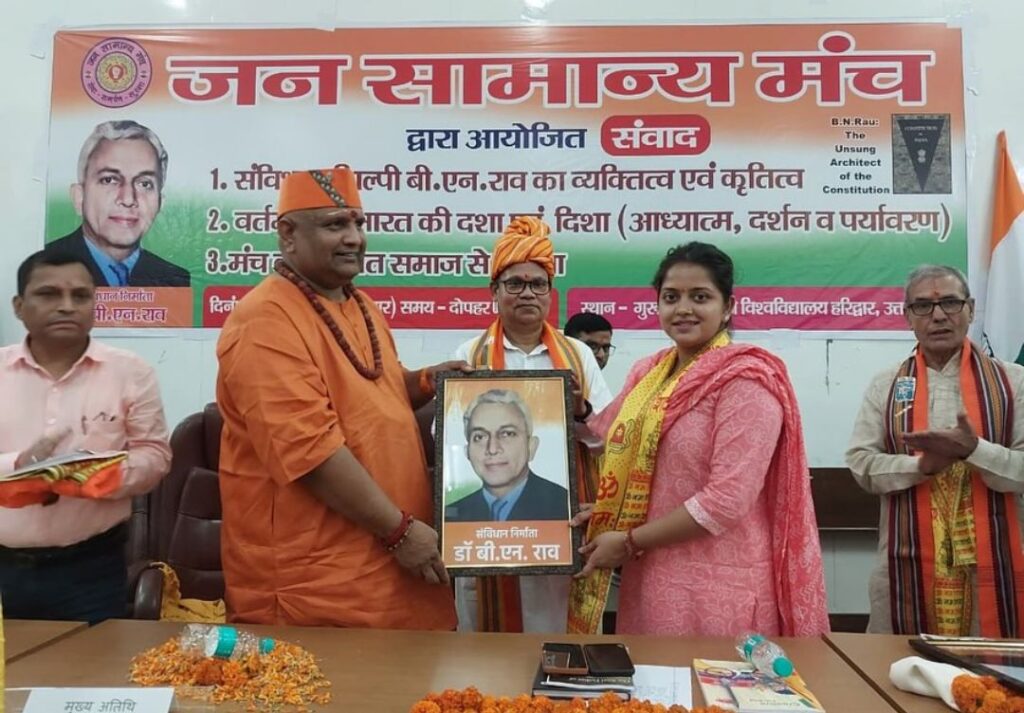
For Akarshika Sharma, heritage is not simply about the past. It is about creating a connection between history, identity and the future.
Governance
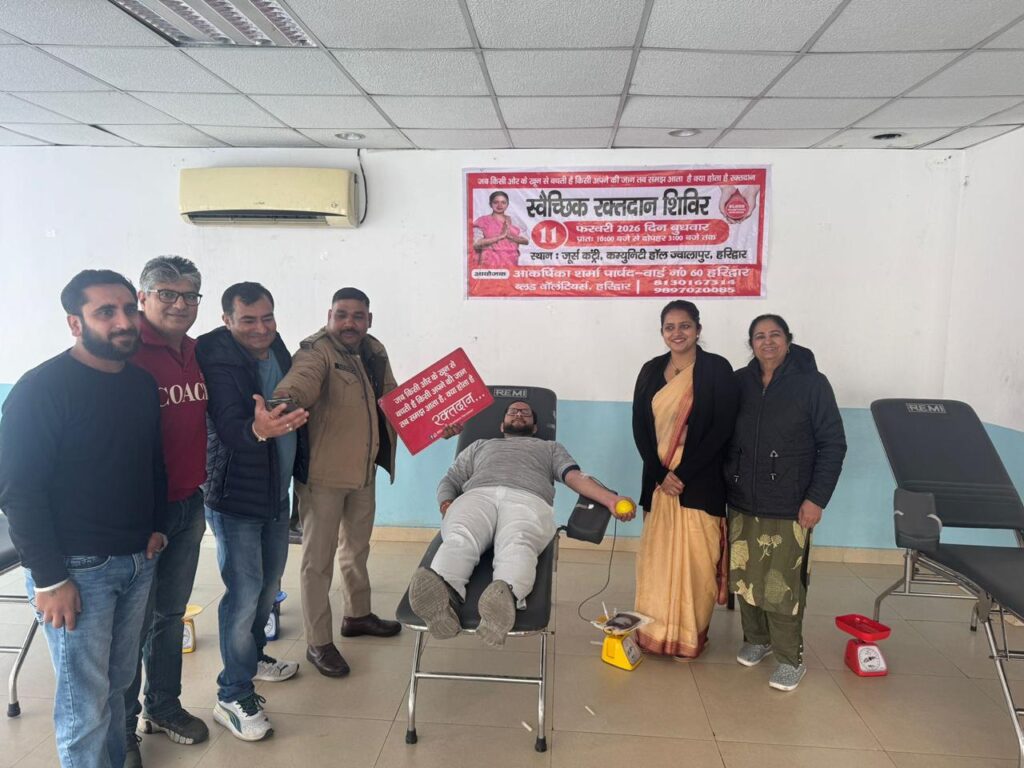
Cleanliness and sanitation have a direct impact on the quality of life within a community. Akarshika Sharma places strong importance on creating awareness around hygiene, responsible waste management and clean public surroundings.
Read More
Civic cleanliness cannot be achieved through administrative efforts alone. It requires active participation from residents. Awareness campaigns and community engagement can help encourage people to understand their role in maintaining public spaces. Her approach focuses on developing a sense of collective responsibility. Residents, civic authorities, local organisations and public representatives all have an important role to play in creating cleaner neighbourhoods. Sanitation initiatives also connect closely with public health. Clean surroundings can contribute to healthier communities while promoting better everyday hygiene practices. Akarshika Sharma believes that cleanliness should become a regular community habit rather than an occasional campaign. Through public interaction and awareness activities, she seeks to encourage citizens to take ownership of their surroundings and participate actively in keeping their neighbourhoods clean. Her broader objective is to create a culture of civic responsibility where people understand that a cleaner community begins with individual responsibility and collective action.
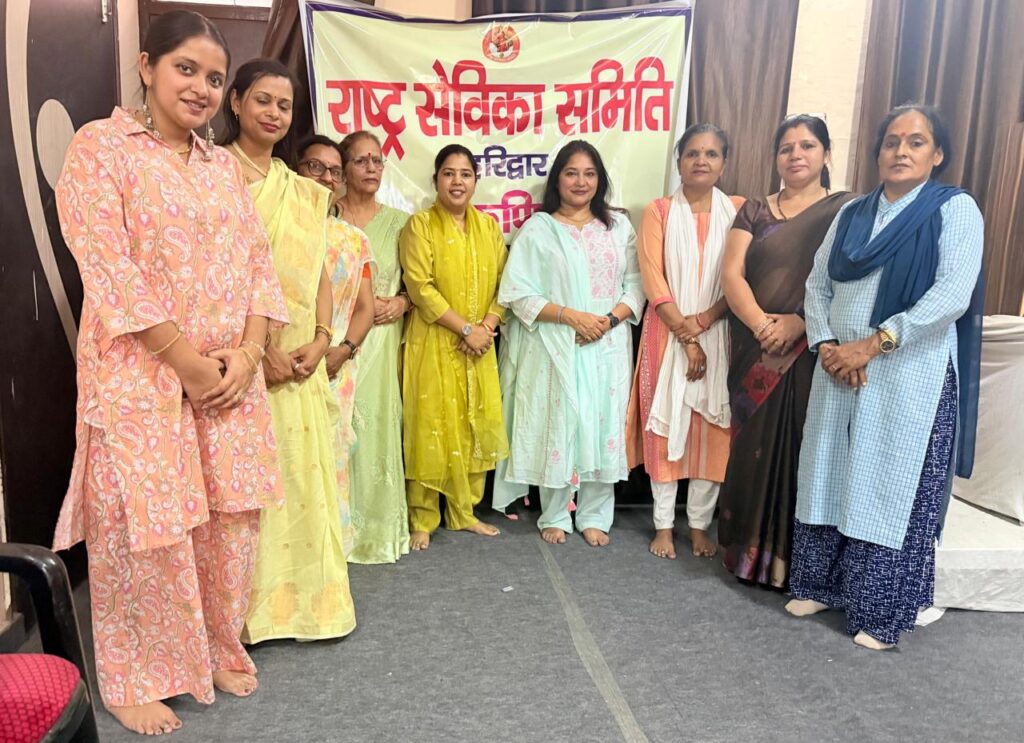
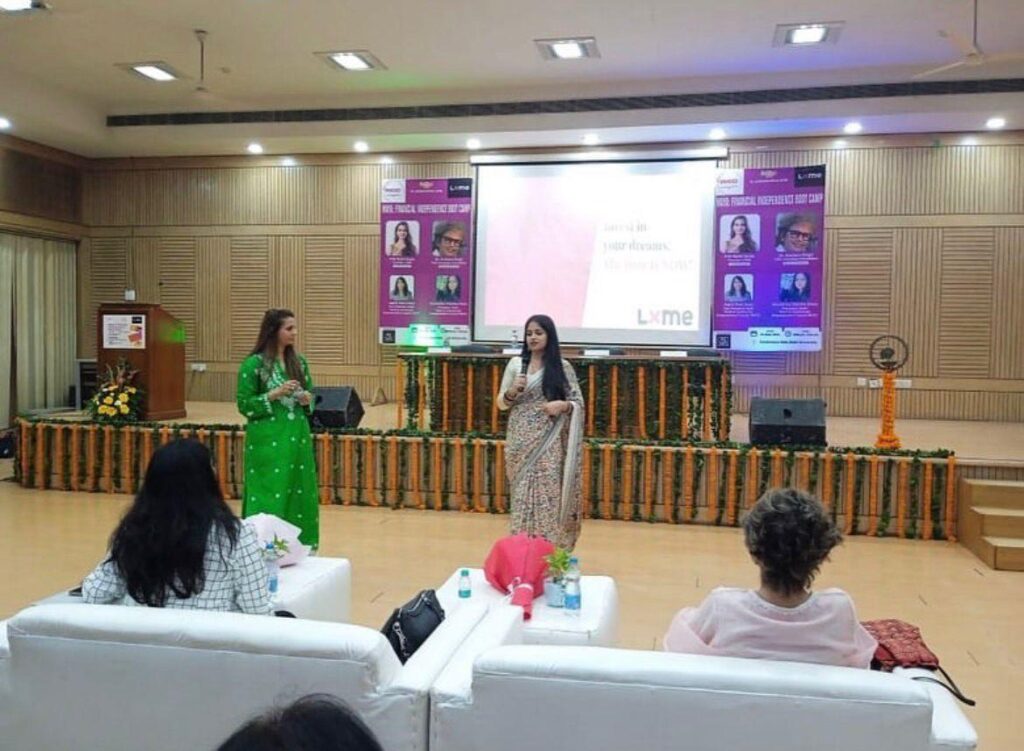
Women’s empowerment is a central part of Akarshika Sharma’s vision for community development. Through leadership programmes, awareness initiatives and community interactions, she seeks to encourage women to become more confident participants in social, economic and civic life.
Read More
Her work through the Youth & Community Empowerment Council, WICCI focuses on important areas such as financial literacy, leadership, awareness and participation. Financial awareness can play an important role in helping women make informed decisions about savings, financial planning and economic opportunities. Alongside financial empowerment, leadership development encourages women to participate more actively in their communities and take responsibility for issues that affect them. Akarshika Sharma believes that women should have access to opportunities that allow them to develop their skills, express their ideas and contribute to decision-making. Her women-focused engagements provide a platform for conversations around challenges faced by women and the opportunities available to them. She sees women’s empowerment not simply as a social objective but as an important foundation for stronger families and communities. Her vision is to create an environment where women are encouraged to learn, lead, participate and become changemakers. Through awareness and community participation, she continues to promote the message that when women progress, the entire community progresses with them.
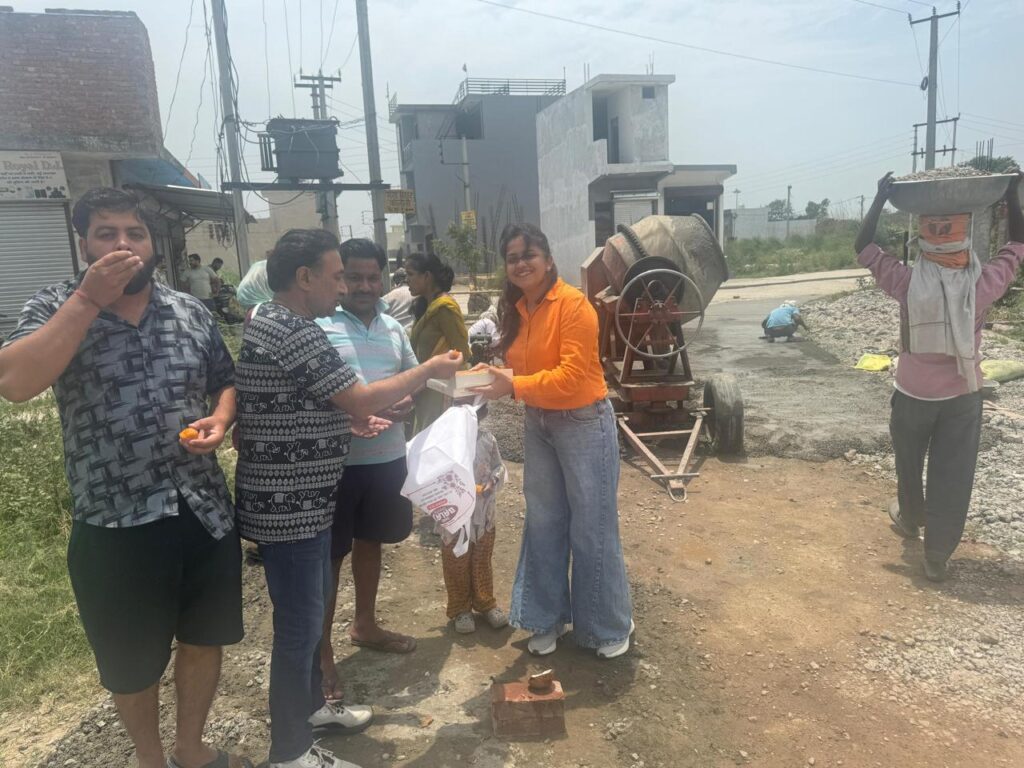
Healthcare and community well-being are important elements of Akarshika Sharma’s people-centric approach to public service. Healthcare camps and awareness initiatives provide an opportunity.
Read More
Such initiatives can encourage people to become more aware of preventive healthcare, hygiene and healthy living practices. Akarshika Sharma believes that public health begins with awareness. Alongside healthcare support, communities need information about cleanliness, sanitation and everyday practices that contribute to healthier surroundings. Her focus on healthcare is therefore connected with her broader emphasis on sanitation and hygiene. Community-based health initiatives can also create opportunities for residents to engage with healthcare professionals and become more conscious of their health needs. For Akarshika Sharma, improving community well-being requires cooperation between citizens, public representatives, civic authorities and community organisations. Through healthcare camps, awareness activities and sanitation-focused initiatives, her objective is to contribute towards a community where health, hygiene and well-being become shared priorities.
Image Gallery